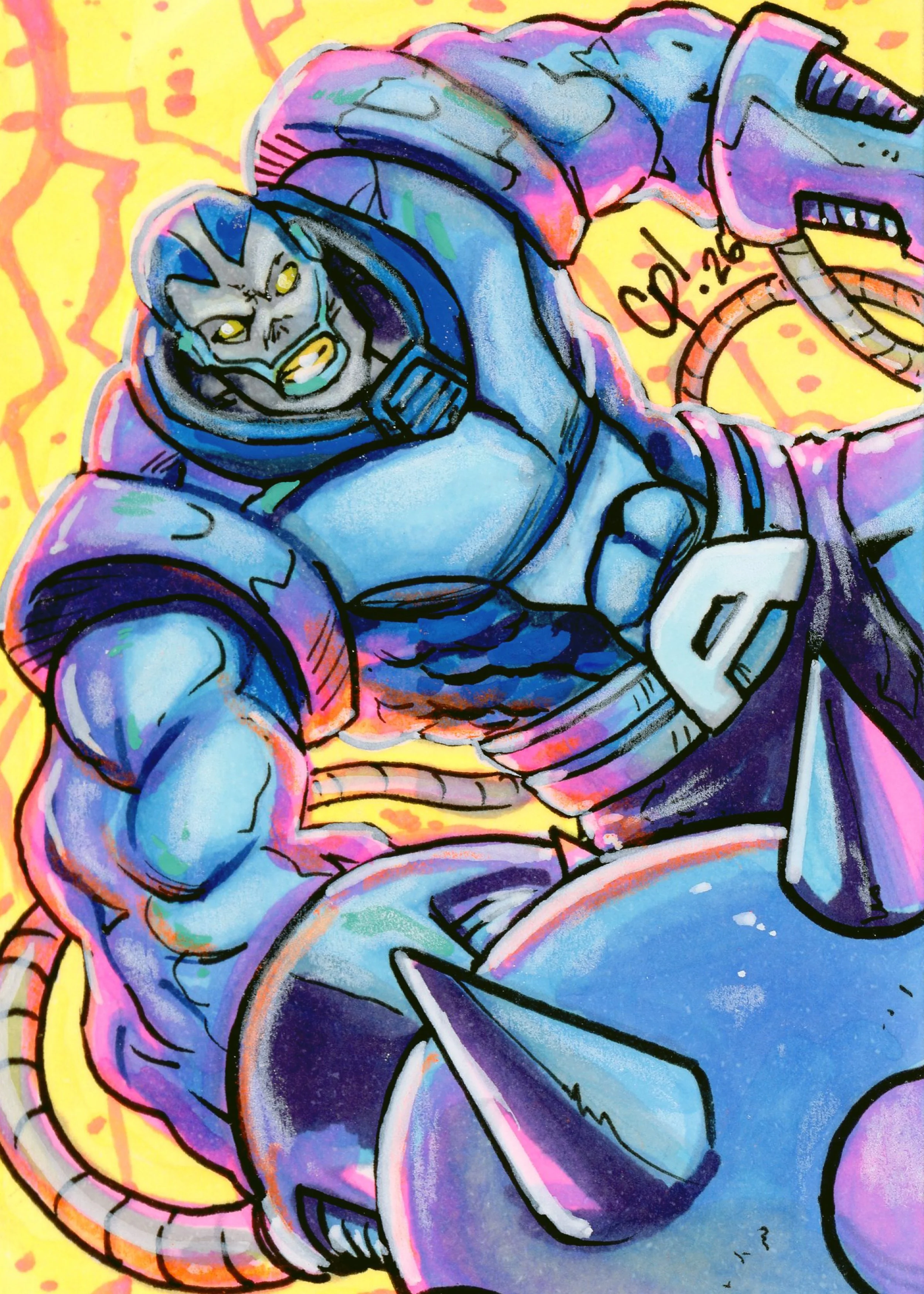
Project: UX-Driven Custom Trading Card Experience
About Project:This project explores how user experience design can extend beyond screens into physical collectibles by connecting ownership with process transparency. a UX-forward concept for the trading card collector market, integrating traditional hand-drawn art into interactive DIGITAL experiences using QR integration.
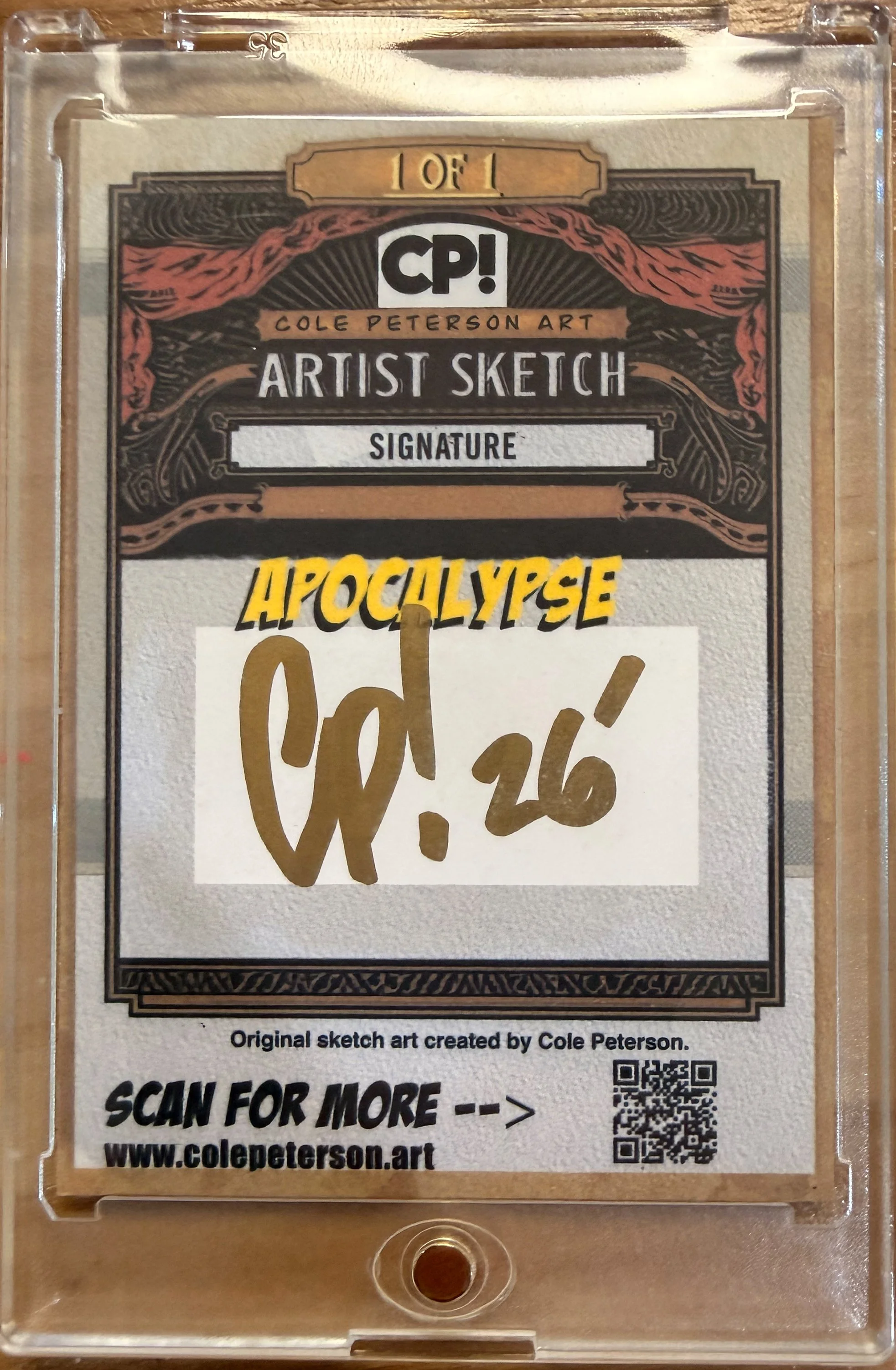
Objective
Design a mobile-first digital experience that enhances the “hit moment” when collectors pull a 1/1 hand-drawn sketch card.
Why this matters
Collectors don’t just want a rare card — they want:
● authenticity and proof it’s real
● artist connection and story
● a premium moment worth sharing
Project Goal
Create a scan-to-video companion experience that feels exciting, trustworthy, and easy to use in under 10 seconds.
Problem
Interviews with artists and collectors revealed a modern trading card market that is saturated with mass-produced cards and often lack a personal connection between the artist and the collector.
Ideas Explored
Original illustrated trading card series
Character biography trading cards
Retro comic-style collectible card
Digital cards and NFT flexibility
Reflection
This concept was chosen because it combines illustration, storytelling, and UX interaction in a collectible format. In developing a one-of-a-kind illustrated trading card system, you can meet these needs through a combination of traditional artwork with a digital interactive experience.
Brainstorm Phase
Identify Phase
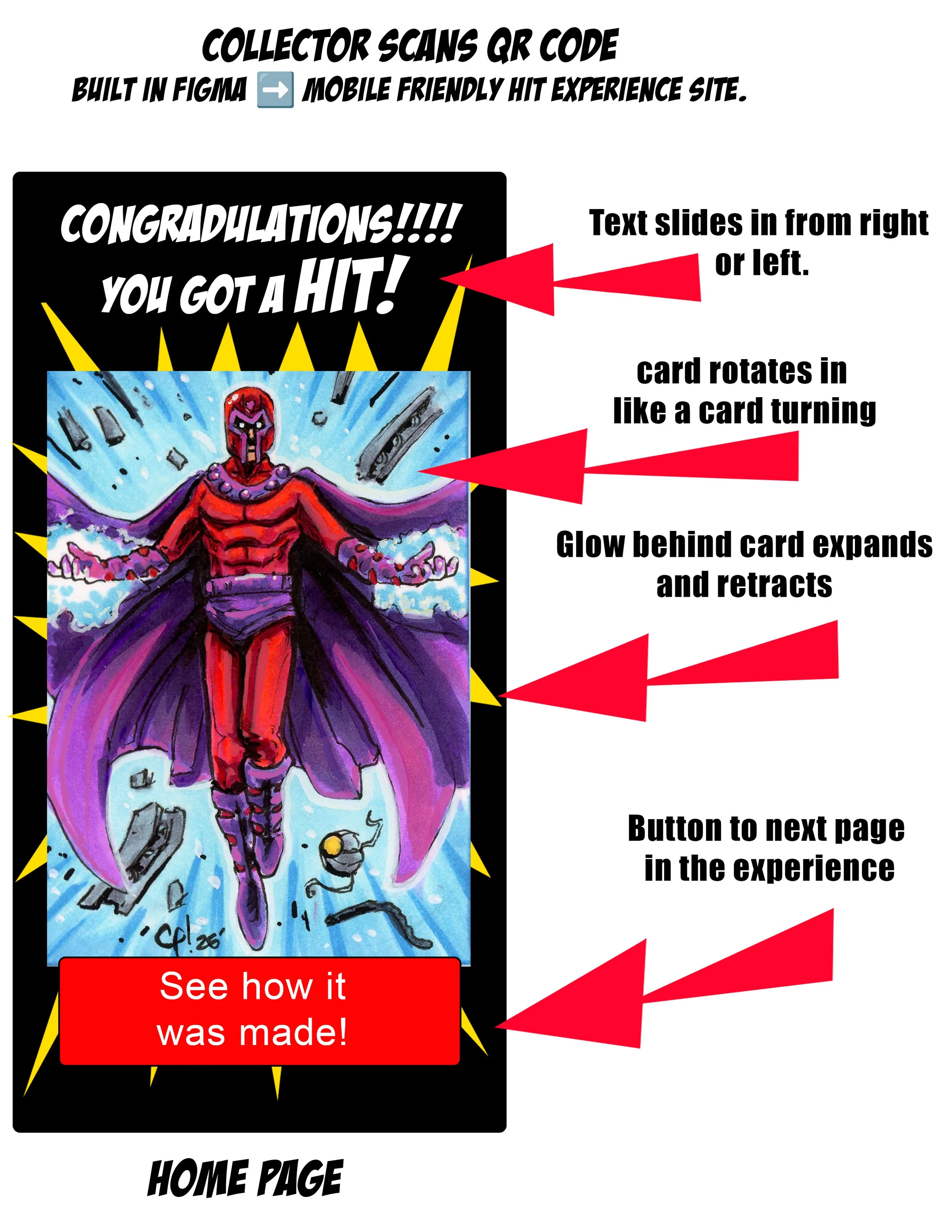
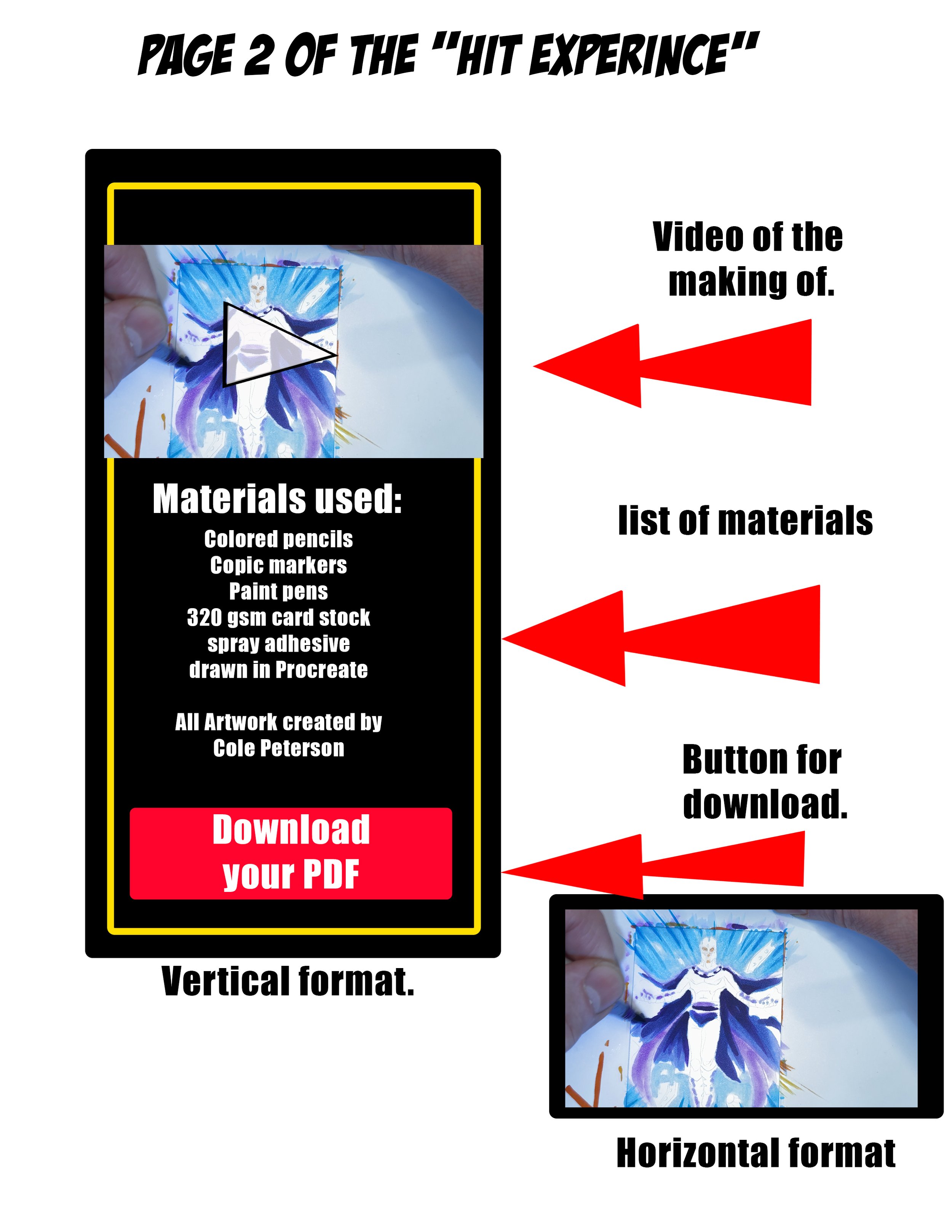
Define Phase
Project Plan
The project was divided into several stages:
Research trading card designs
Develop card layout concepts
Create character illustration
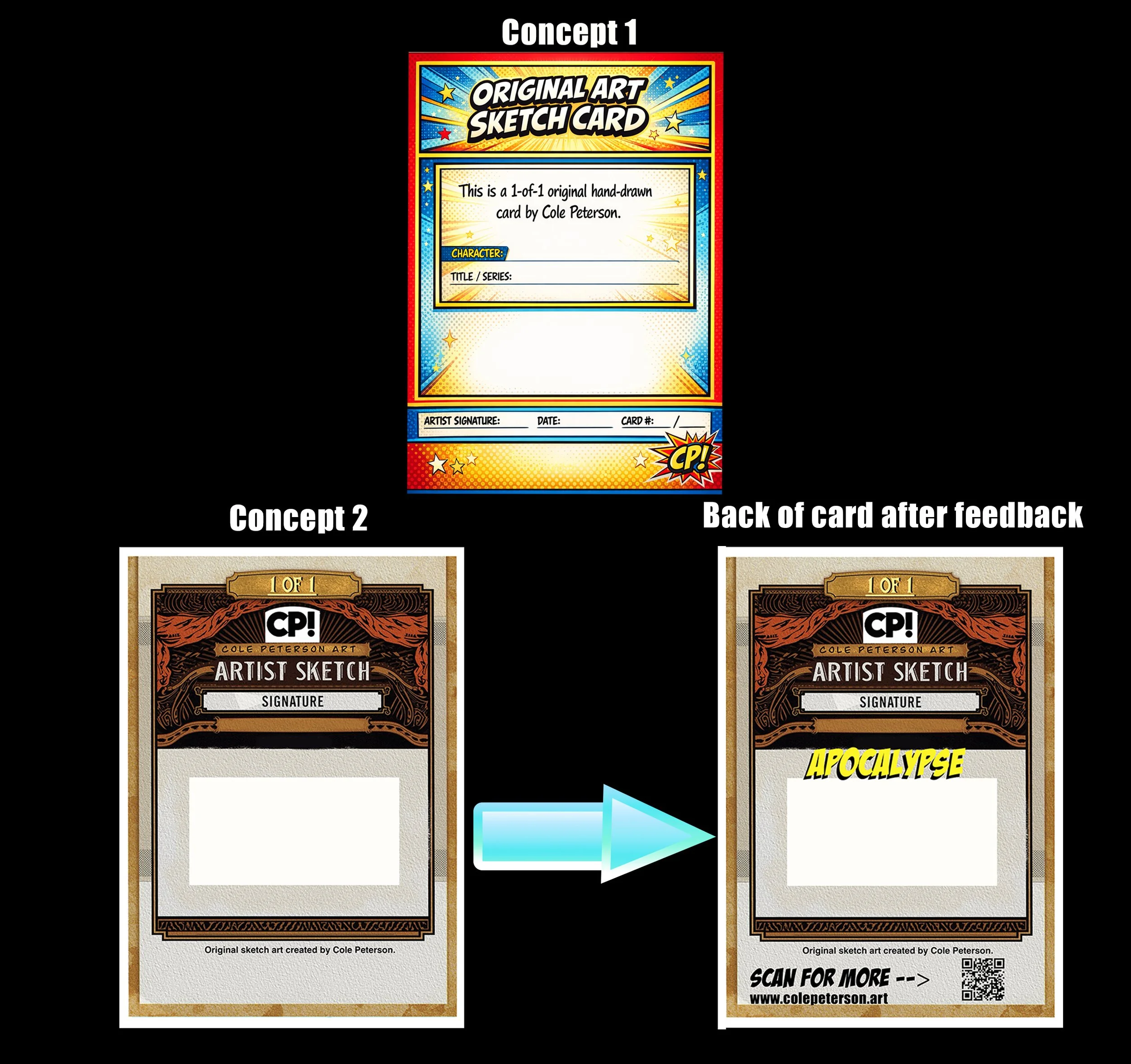
Design card back layout
Integrate QR code interaction
Research Focus
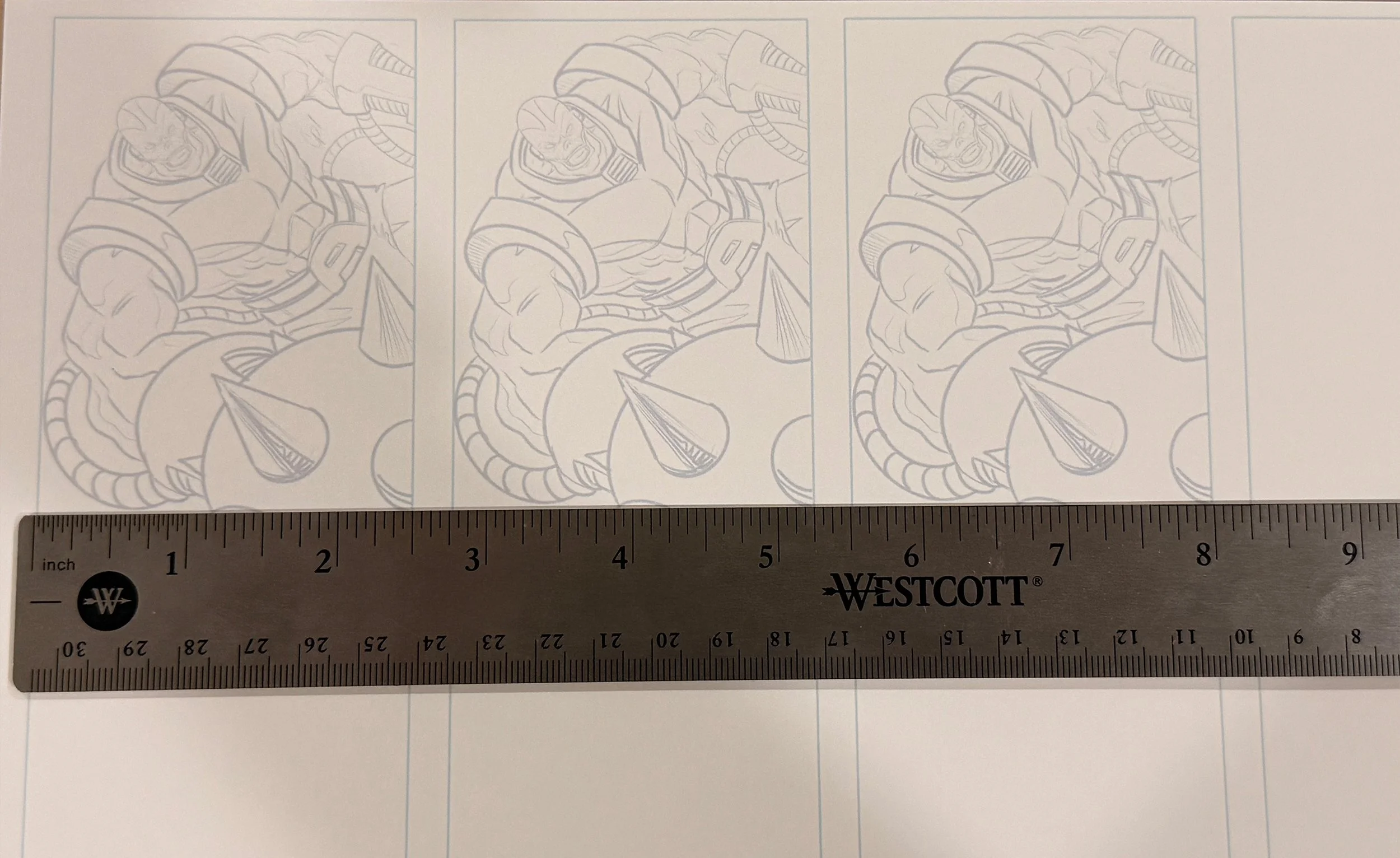
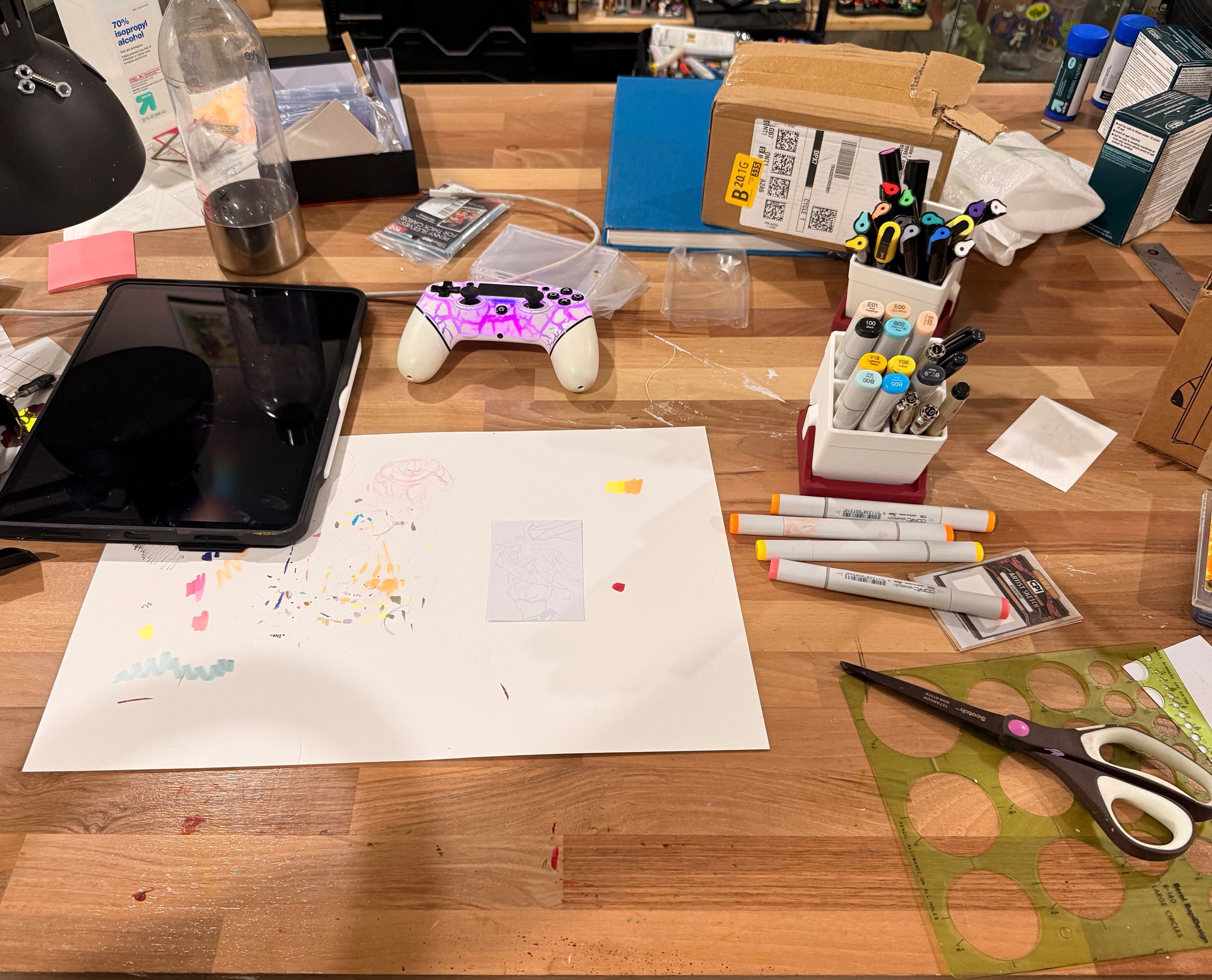
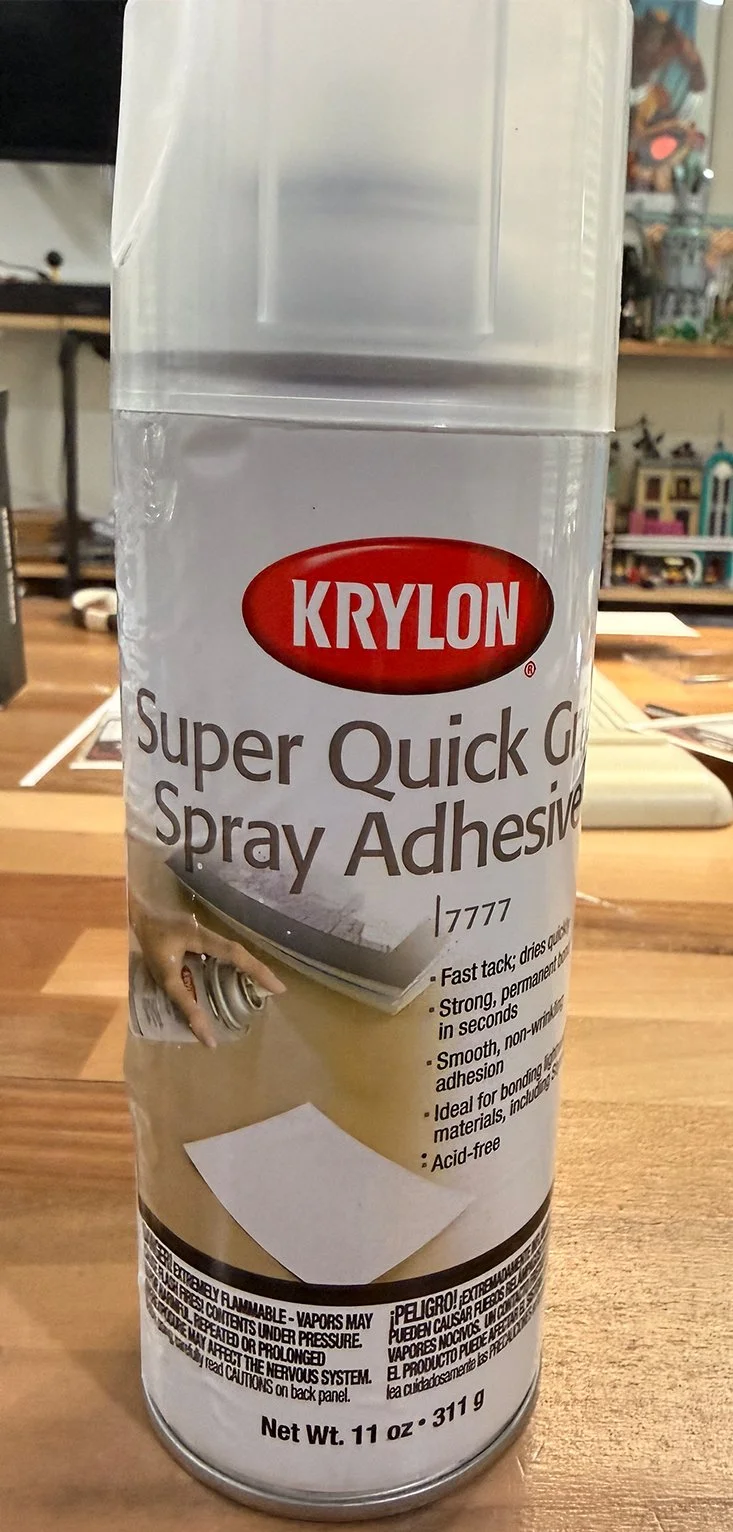
Research included classic comic trading cards, paper types, adhesive types, traditional mediums that work best, layout hierarchy, and ways digital content can enhance physical collectibles.
Concept Development
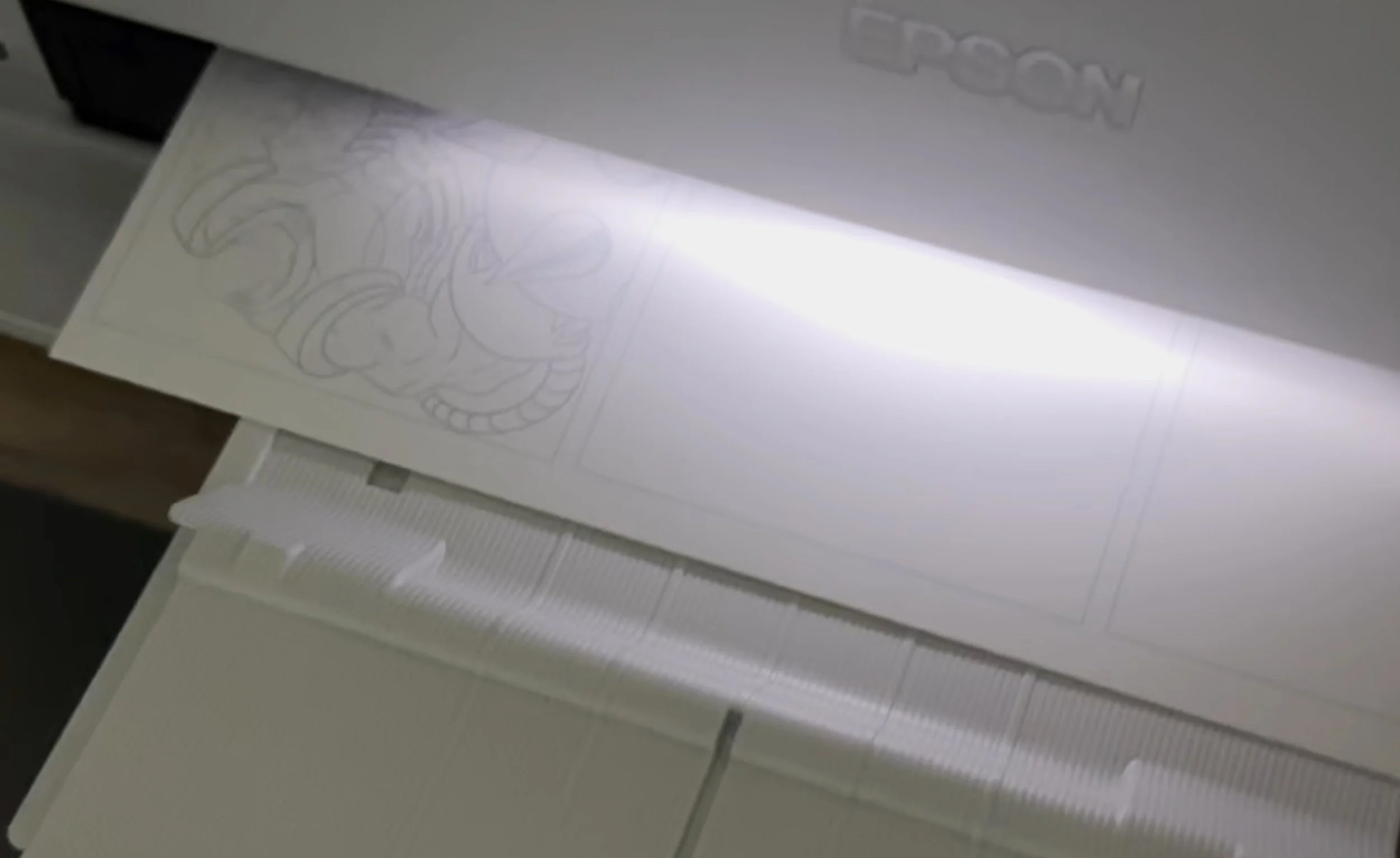
Several layout concepts were explored through sketching.
Sketch variations included:
• Character pose variations
• Border and frame designs
• Title and typography placement
• Card back information layout
Final Direction
The selected design emphasizes the character artwork while keeping text information readable and organized.
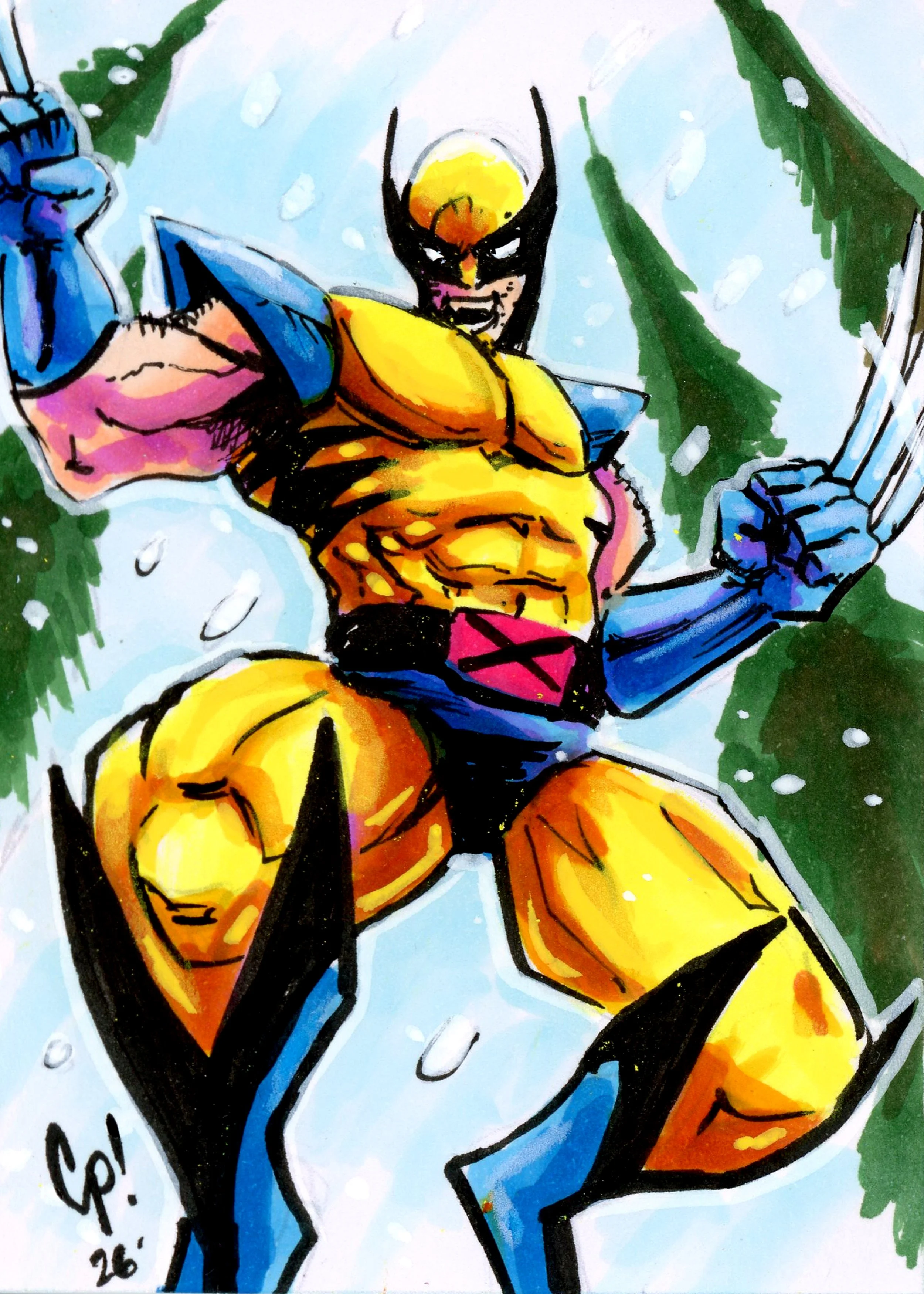
Peer Feedback
Peers suggested improving:
• Visual hierarchy for titles
• Simpler background elements
• Clear explanation of the QR code feature
Audience Feedback
Viewers familiar with trading cards responded positively to the concept of linking a physical collectible to a behind-the-scenes video showing the creation process.
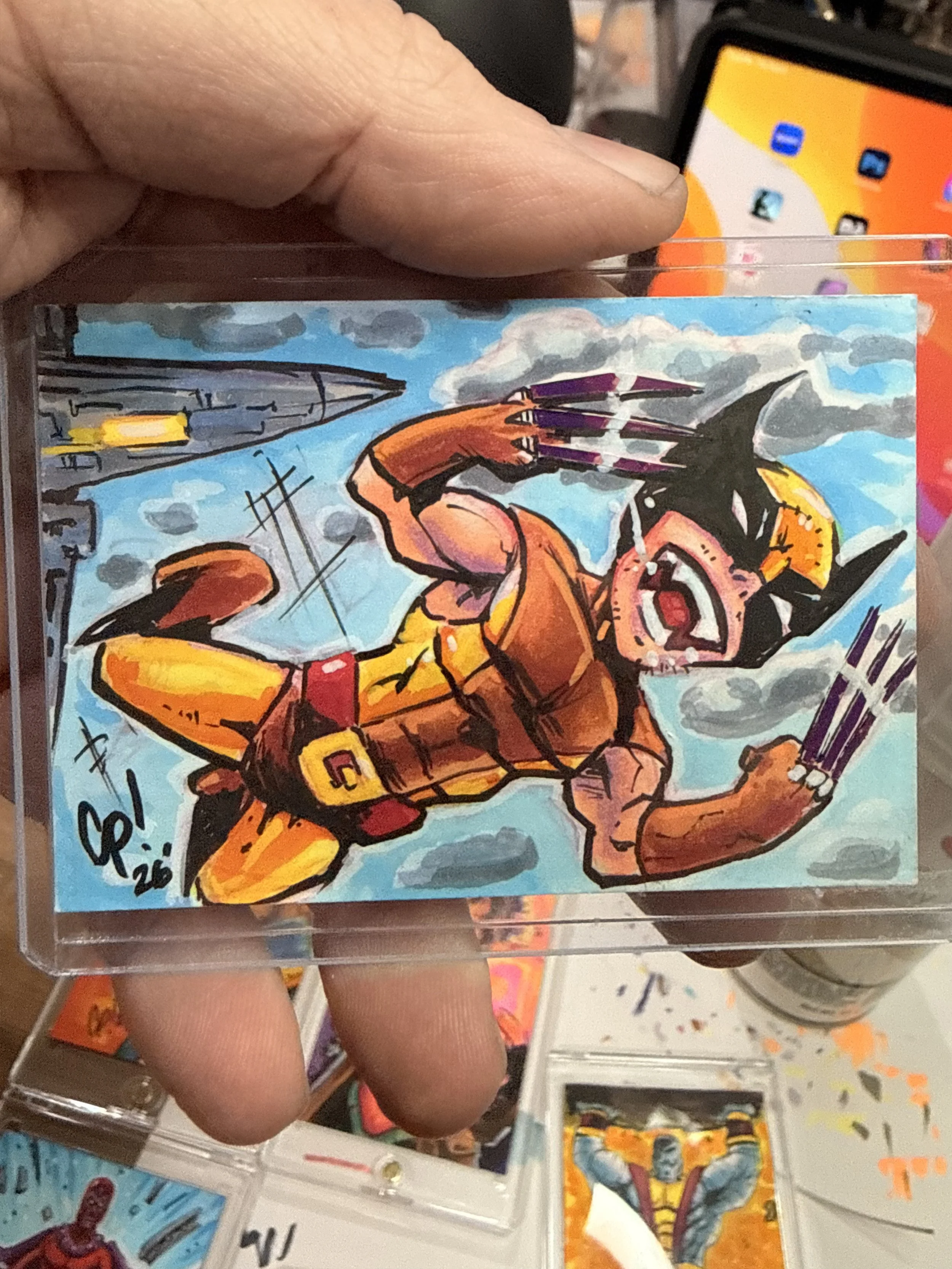
Early UX Attempt
Final Product
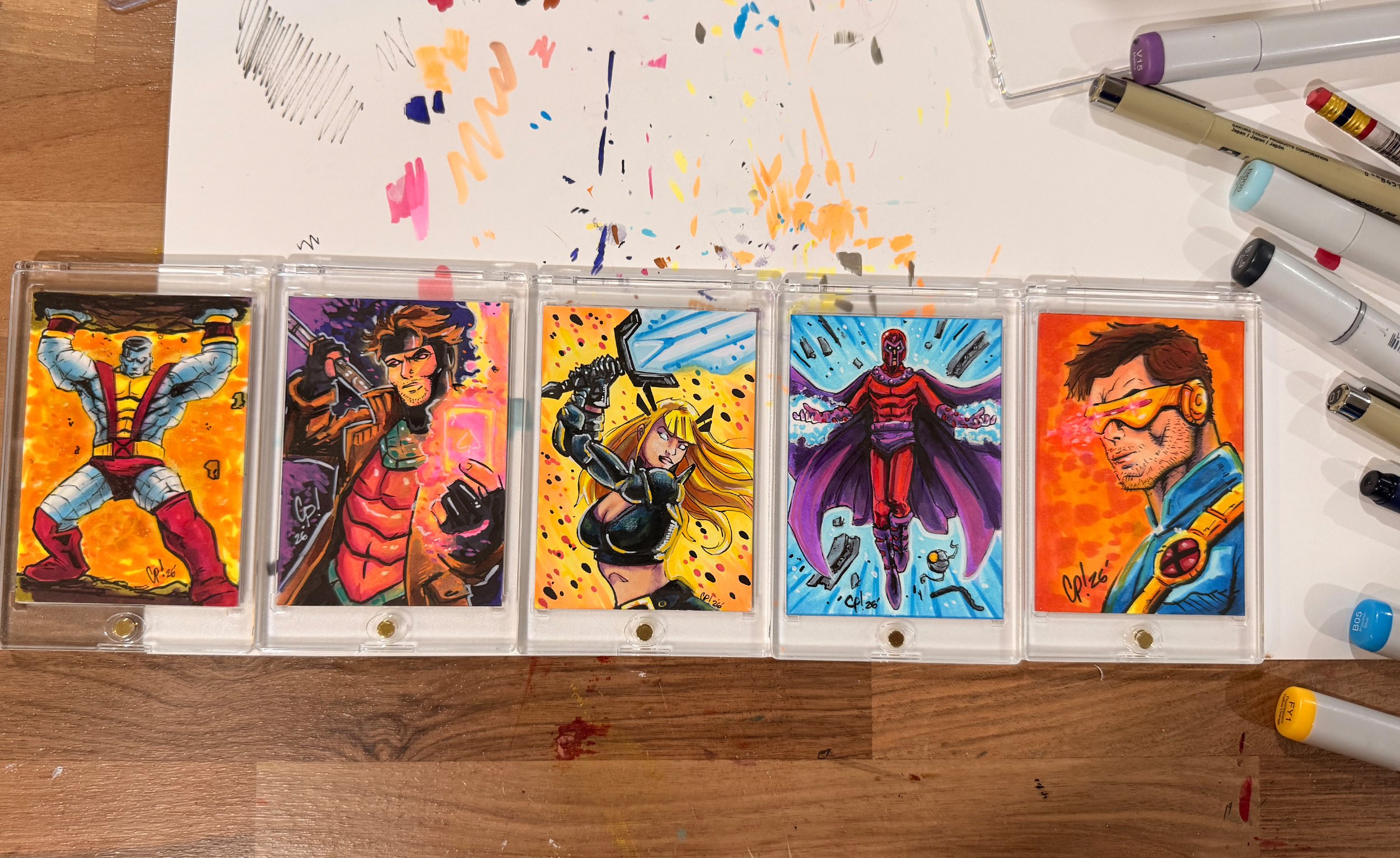
The final project is a fully designed custom trading card that combines traditional illustration with an interactive digital experience.
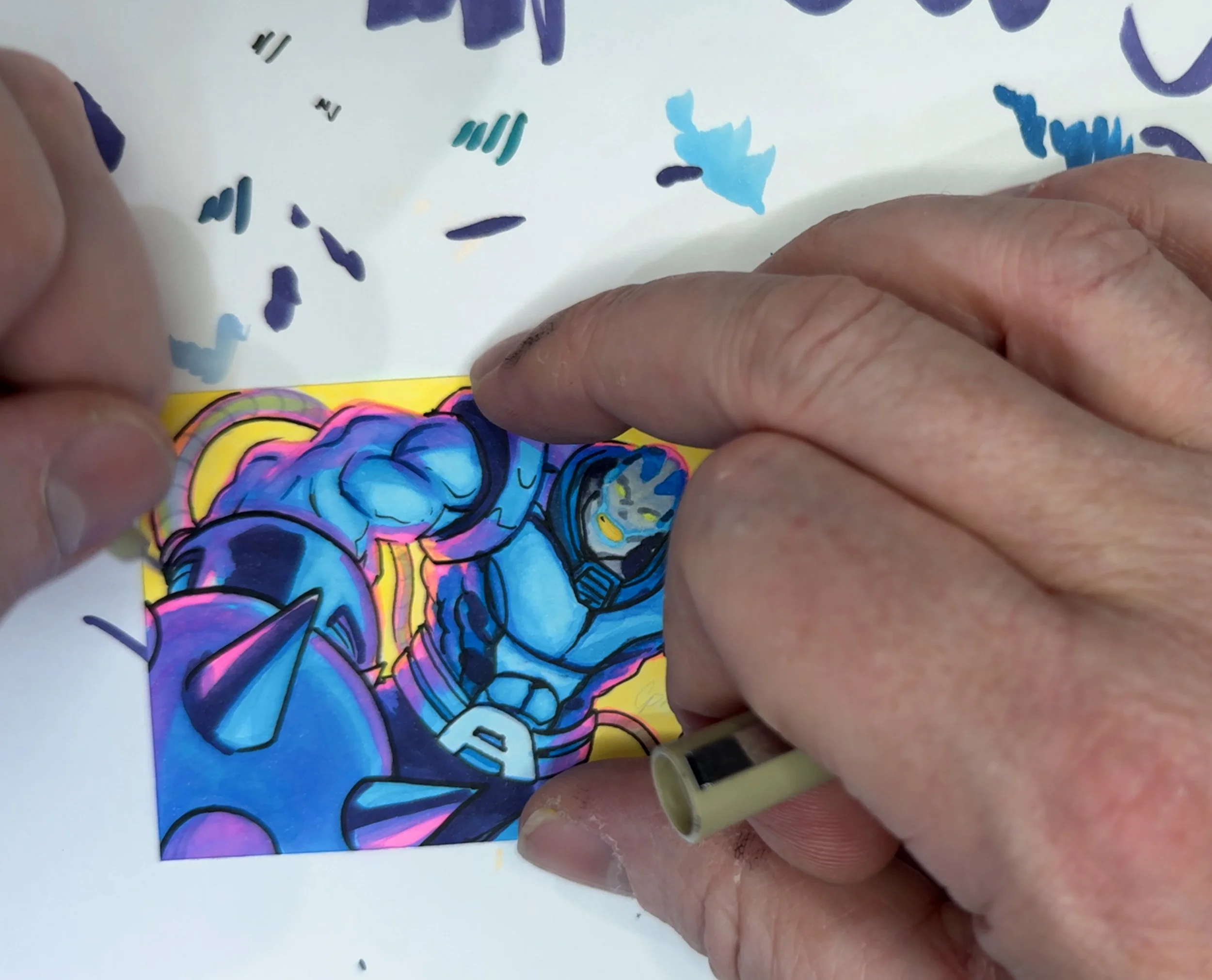
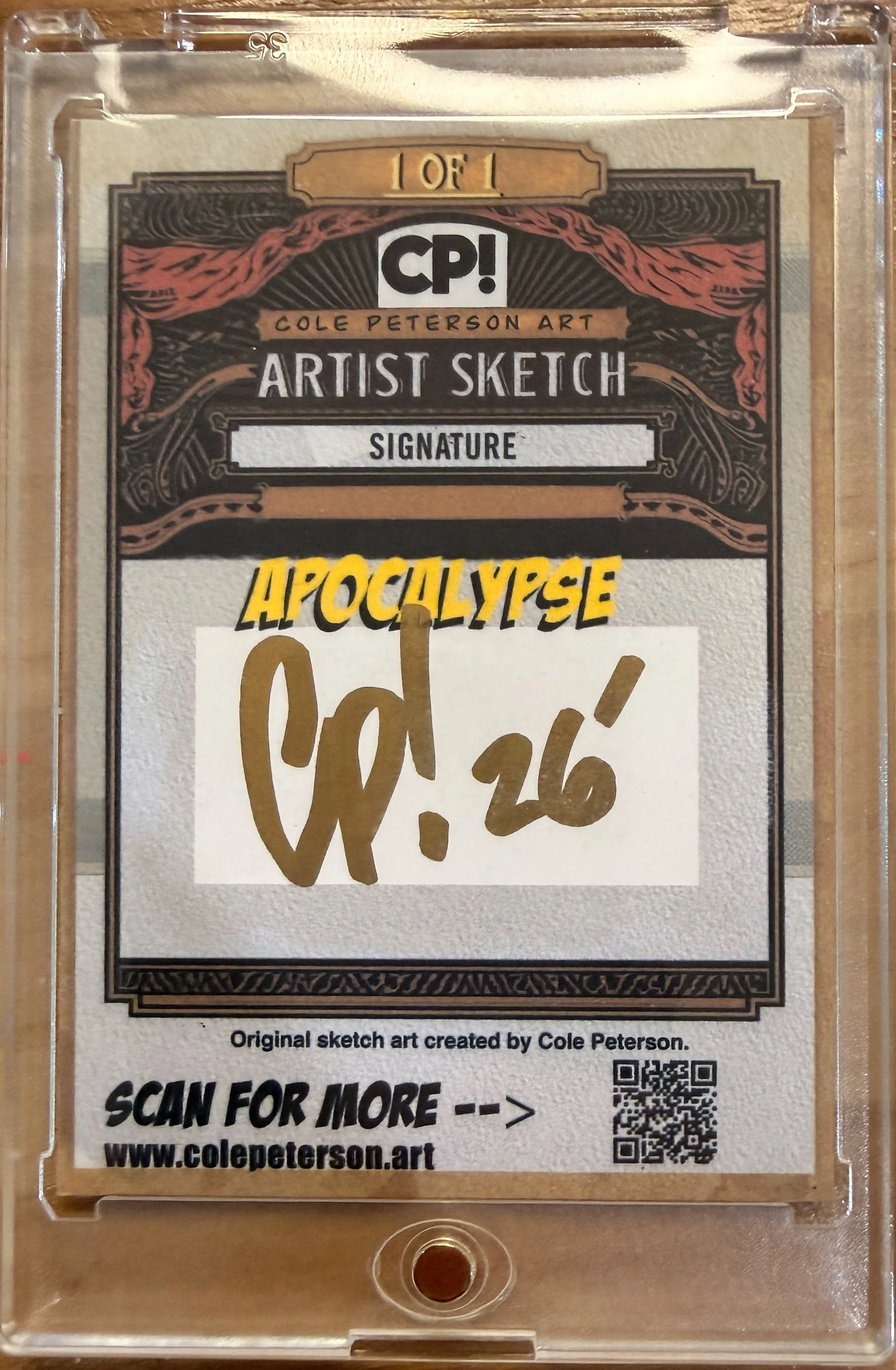
Collectors can scan the QR code on the back of the card to view a video showing how the artwork was created.
Advertising the Product
The card concept can be promoted through:
• A portfolio website featuring the making-of videos
• Social media posts showing the creation process
• Direct commissions for collectors interested in custom cards
What Didn’t Go Well
Some challenges included balancing layout elements and clearly integrating the QR code interaction into the design. choosing paper type and weight
type of glue
media
What I Learned as a Designer
I learned how important visual hierarchy and layout structure are when designing small-format collectibles.
What I Learned as a Project Manager
I learned the value of developing a project in stages, gathering feedback, and refining the design based on critique.
Ideate Phase
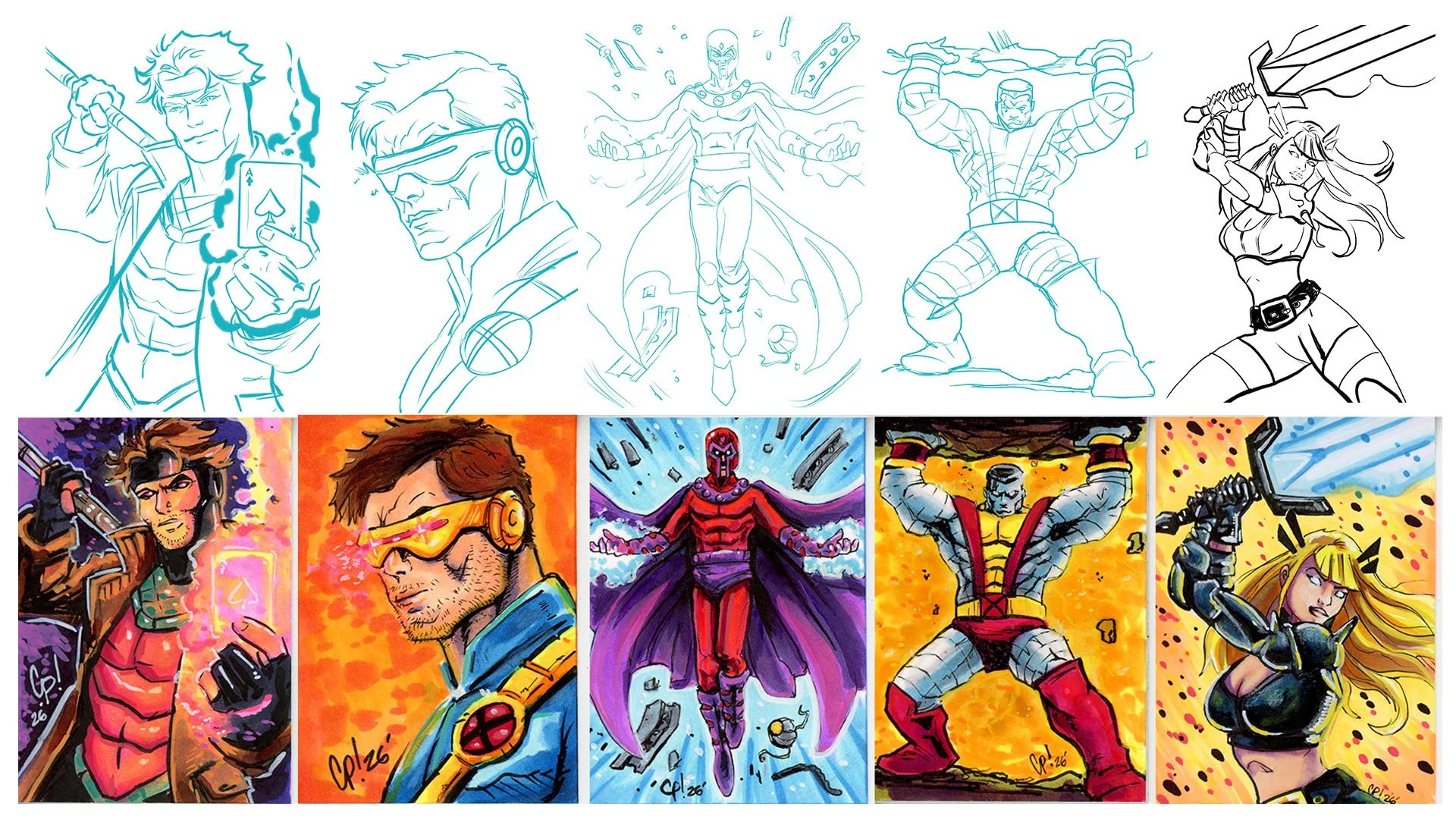
Prototype Phase
Alternative exporations
Development Stages
Stage 1: Concept sketches
Stage 2: Card layout template
Stage 3: Character illustration
Stage 4: Card back design with QR code
Obstacle
Balancing artwork with readable information on the card back was challenging.
Solution
Simplifying the layout and prioritizing visual hierarchy helped maintain clarity while preserving the artwork.
Test Phase
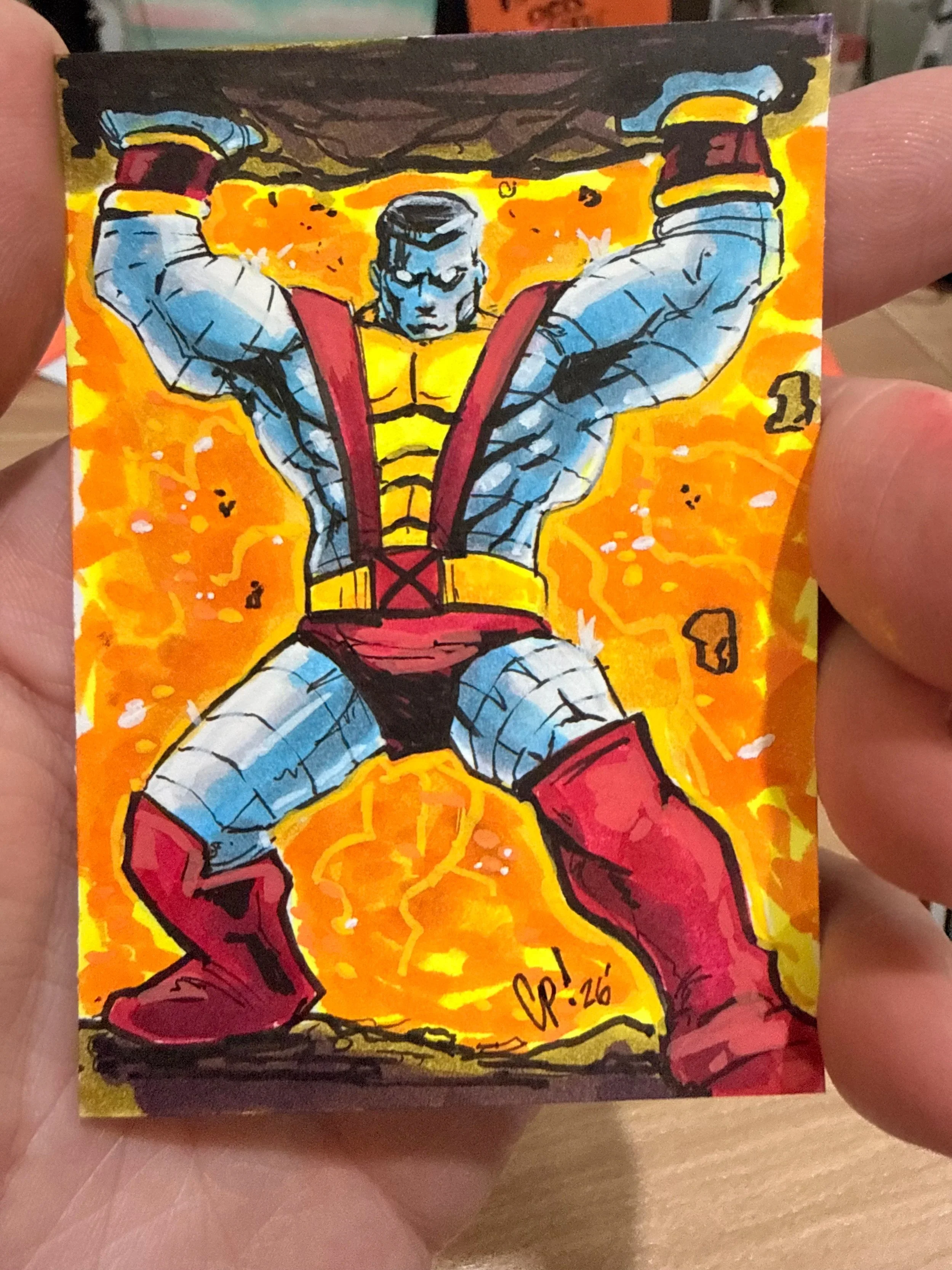
“If buyers can verify a card instantly and see its creation, those cards, it naturally become more desirable.”
Prototype Alternatives
Hidden Florescent Colors
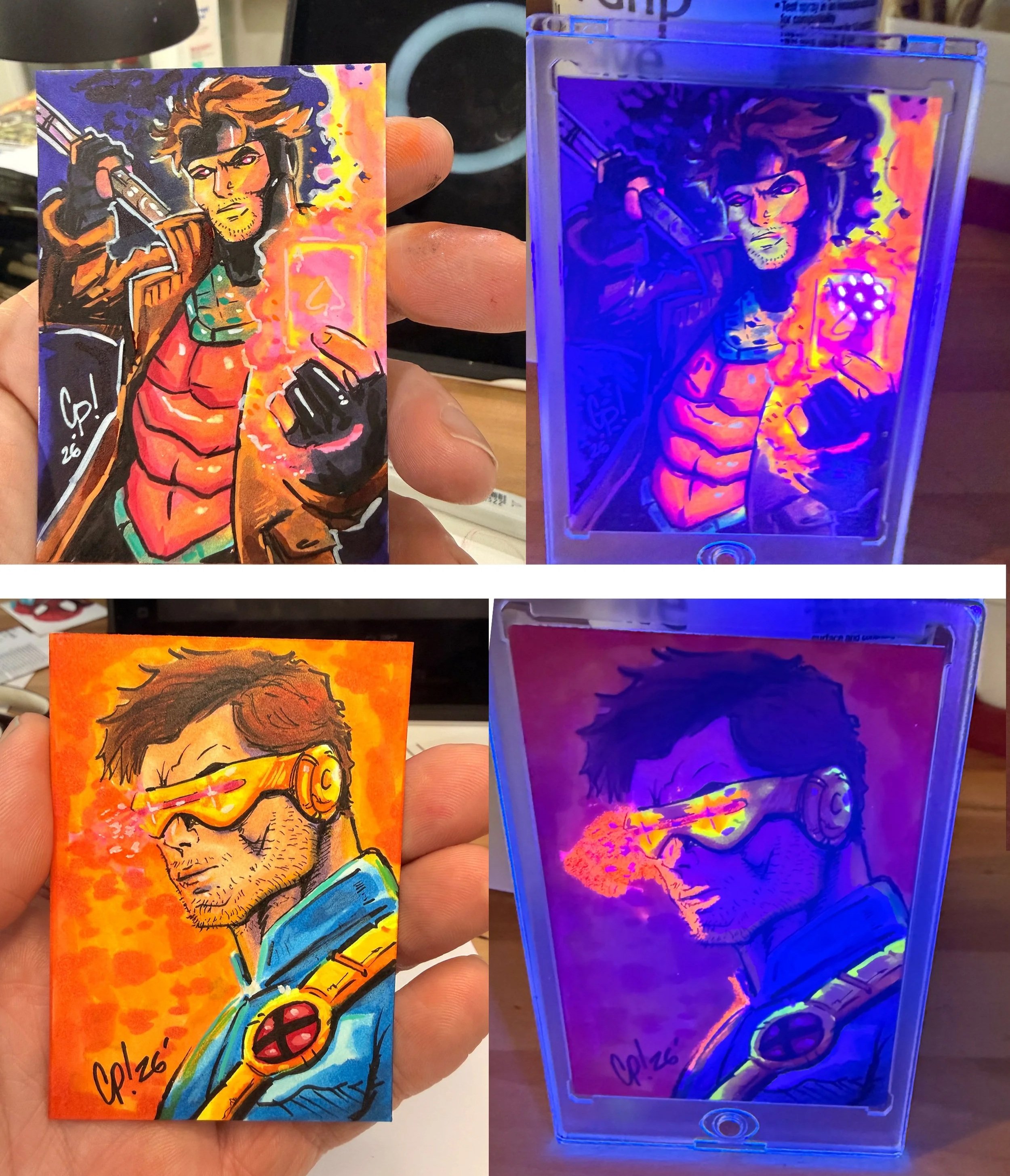
Pros:
The biggest strength of this feature is trust. With ai becoming more and more prevalent, being able to scan a card and immediately see the moment it was created removes a lot of doubt in the market.
That alone has real value, especially as more collectors worry about fakes or question originality.
It also adds a layer of meaning that most cards don’t have. Instead of just owning the end result, you’re connected to the process behind it. That’s the kind of thing collectors talk about, share, and use to justify paying more.
If buyers can verify a card instantly and see its creation, those cards, it naturally become more desirable.
From an artist's standpoint, it also builds brand in a way that traditional sketch cards don’t.
Every card becomes a piece of content tied back to them, which can drive more demand for their work overall.
Refine Phase
Changes Made:
• Increased title typography size
• Simplified background elements
• Improved organization of card back information
• Clarified the purpose of the QR code interaction
These changes improved readability and strengthened the interactive aspect of the design.
Implementation Phase
Project Reflection
What Went Well
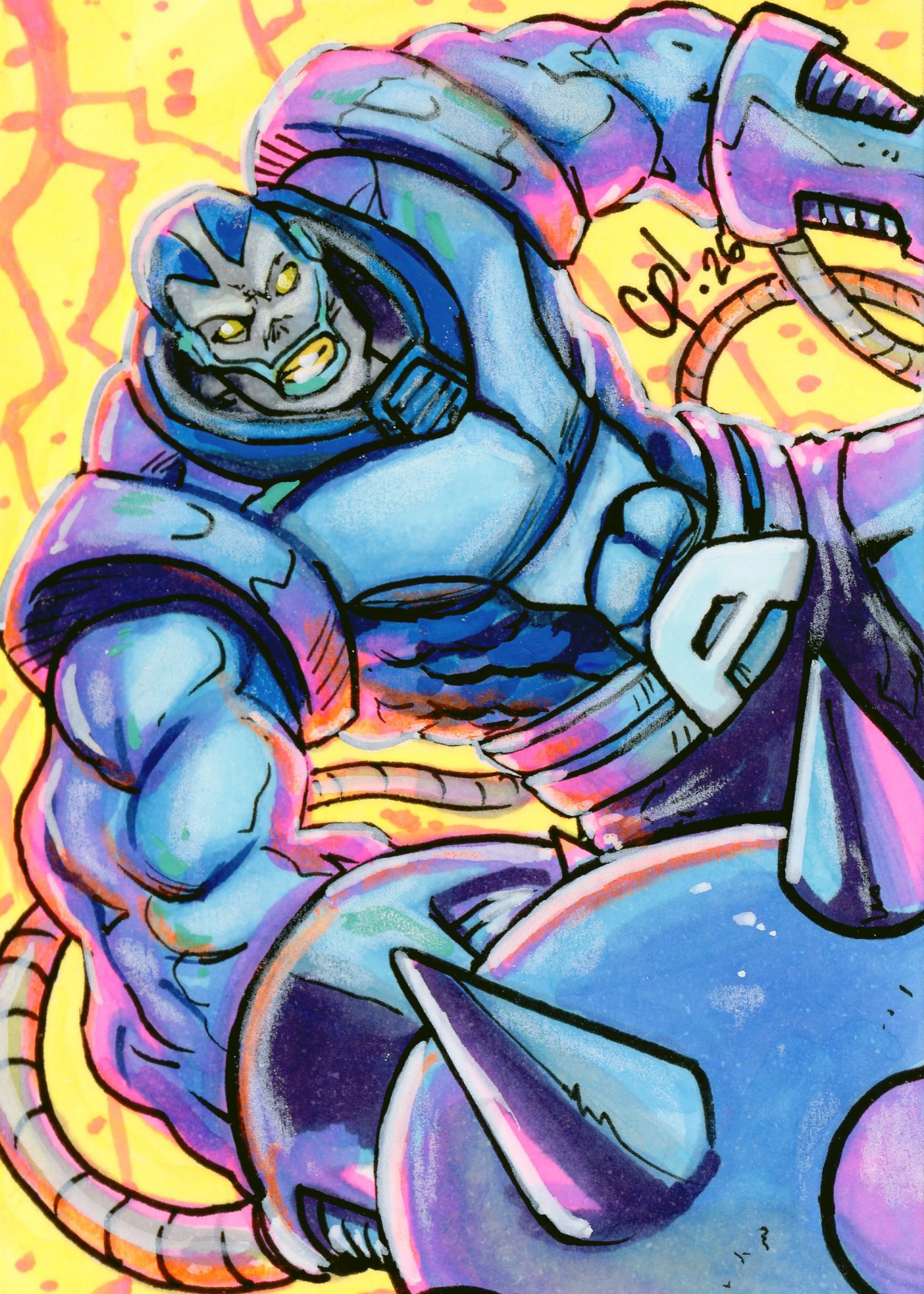
One of the strongest aspects of this project was successfully combining traditional hand-drawn artwork with a digital user experience. The integration of the QR code created a seamless connection between the physical card and the online making-of video, transforming the card from a static collectible into an interactive experience.
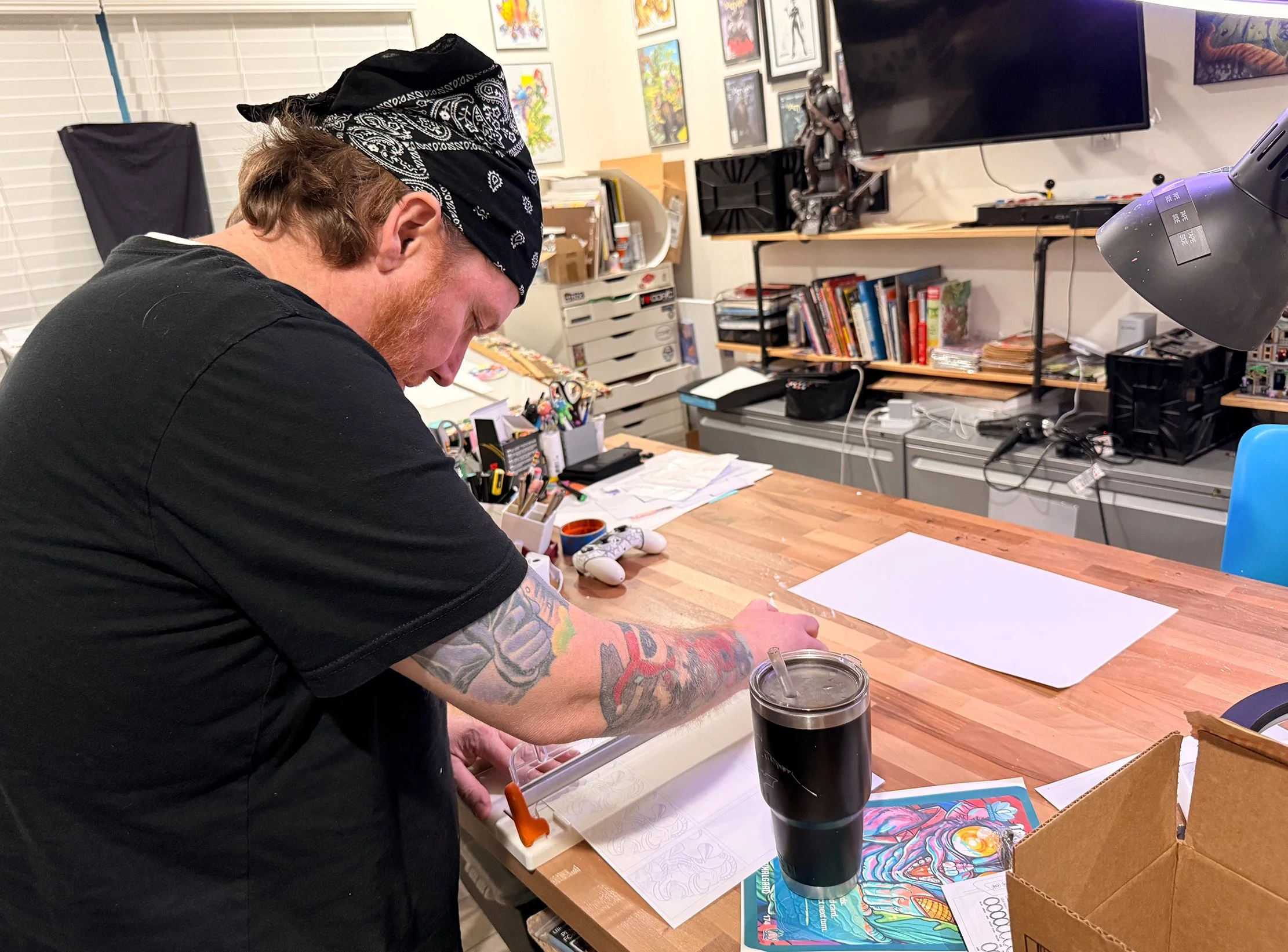
The overall concept also translated well from idea to execution. The final design clearly communicates the purpose of the card, with a strong visual focus on the character illustration while still maintaining readable and organized information on the back. The balance between artistic expression and functional layout improved significantly through iteration. The time is 4-5 hours for each card from start to completion.
Another key success was the clarity of the user experience. The interaction flow—receiving the card, scanning the QR code, and viewing the creation process—feels intuitive and requires little explanation. This reinforces the goal of making the experience feel natural rather than forced.
Additionally, the project demonstrates a clear understanding of audience engagement. By giving collectors access to the creative process, the design adds emotional value and transparency, which are not typically present in traditional trading cards.
Overall, the project successfully bridges physical and digital design, showing how UX principles can be applied beyond screens to enhance real-world objects.
Process
Brainstorm
I explored multiple directions including character bio cards, retro comic styles, and collectible illustration formats. The strongest concept focused on combining physical cards with a digital storytelling layer.
Identify
I identified the core problem as a lack of connection and interaction in the trading card experience. The solution evolved into a one-of-a-kind card enhanced with QR-based storytelling.
Define
I created a project plan that included sketching layouts, designing the card structure, illustrating artwork, and building the QR-to-video interaction.
Ideate
Multiple layout sketches were explored, including variations in typography, borders, and information placement. The final direction emphasized strong visual hierarchy and readability.
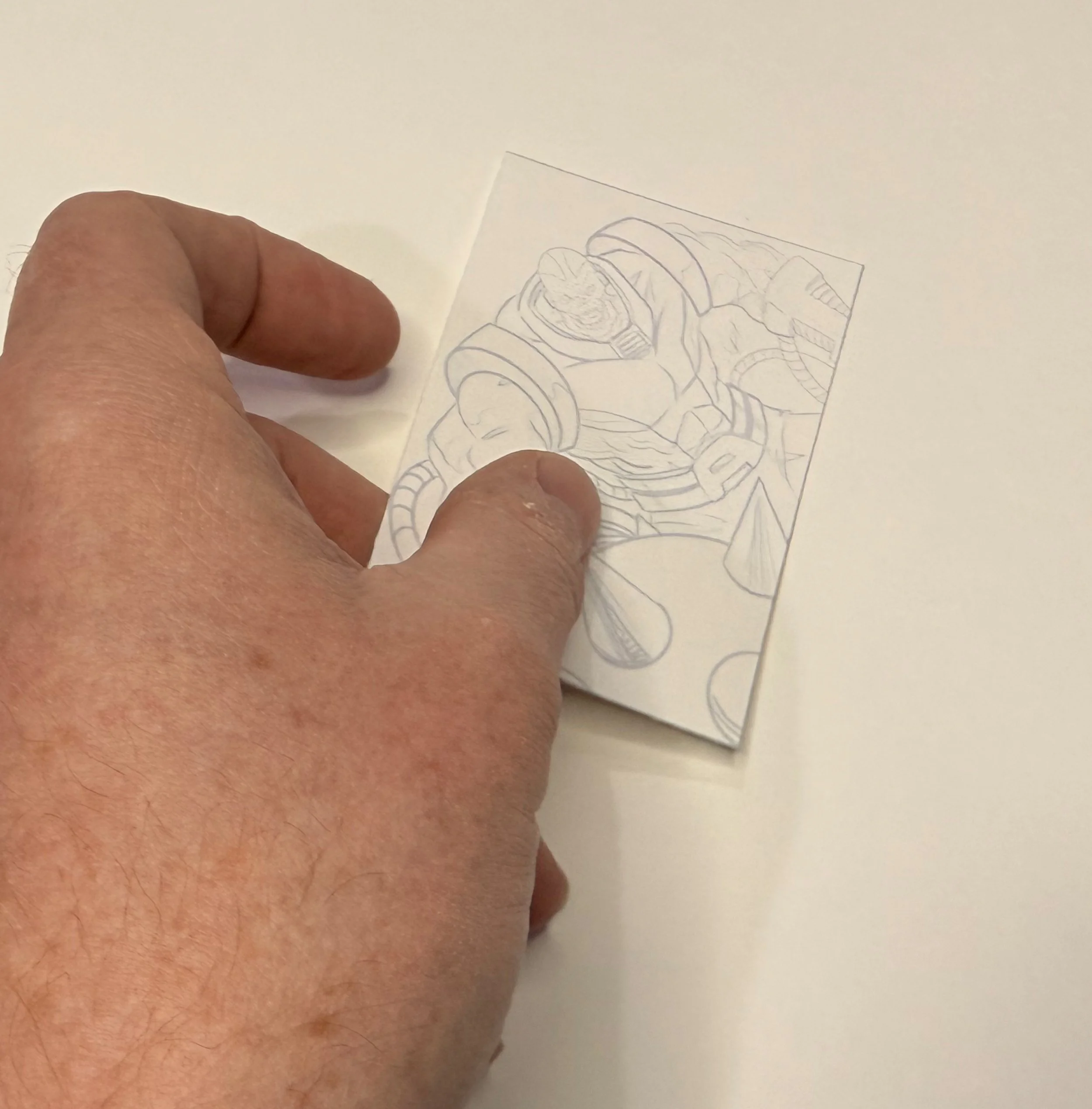
This project explores a trading card concept that combines traditional hand-drawn illustration with an interactive digital experience. Each card is a one-of-a-kind collectible created using traditional media and signed by the artist. A QR code on the back of the card connects collectors to a behind-the-scenes video showing the creation process of that specific artwork. The goal of the project is to enhance the collector experience by connecting a physical collectible with digital storytelling.
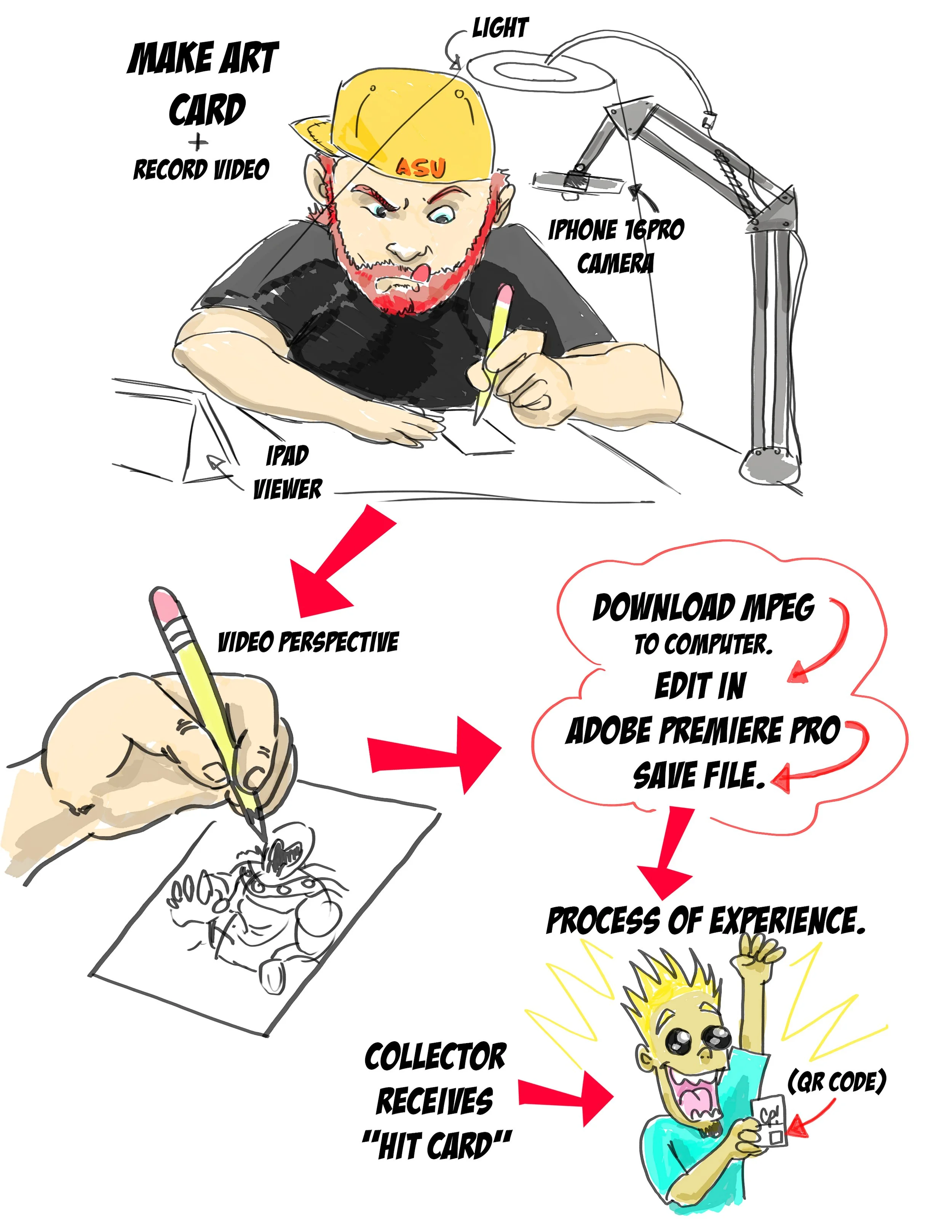
Identified Problem
Many collectible cards do not offer an experience beyond the physical object.
Proposed Solution
Create a trading card design that includes:
• Original hand-drawn artwork
• Artist signature
• QR code linking to a making-of video
• A structured card design
This approach creates a deeper connection between the artwork and the collector.
Client Feedback and Artists in my Community
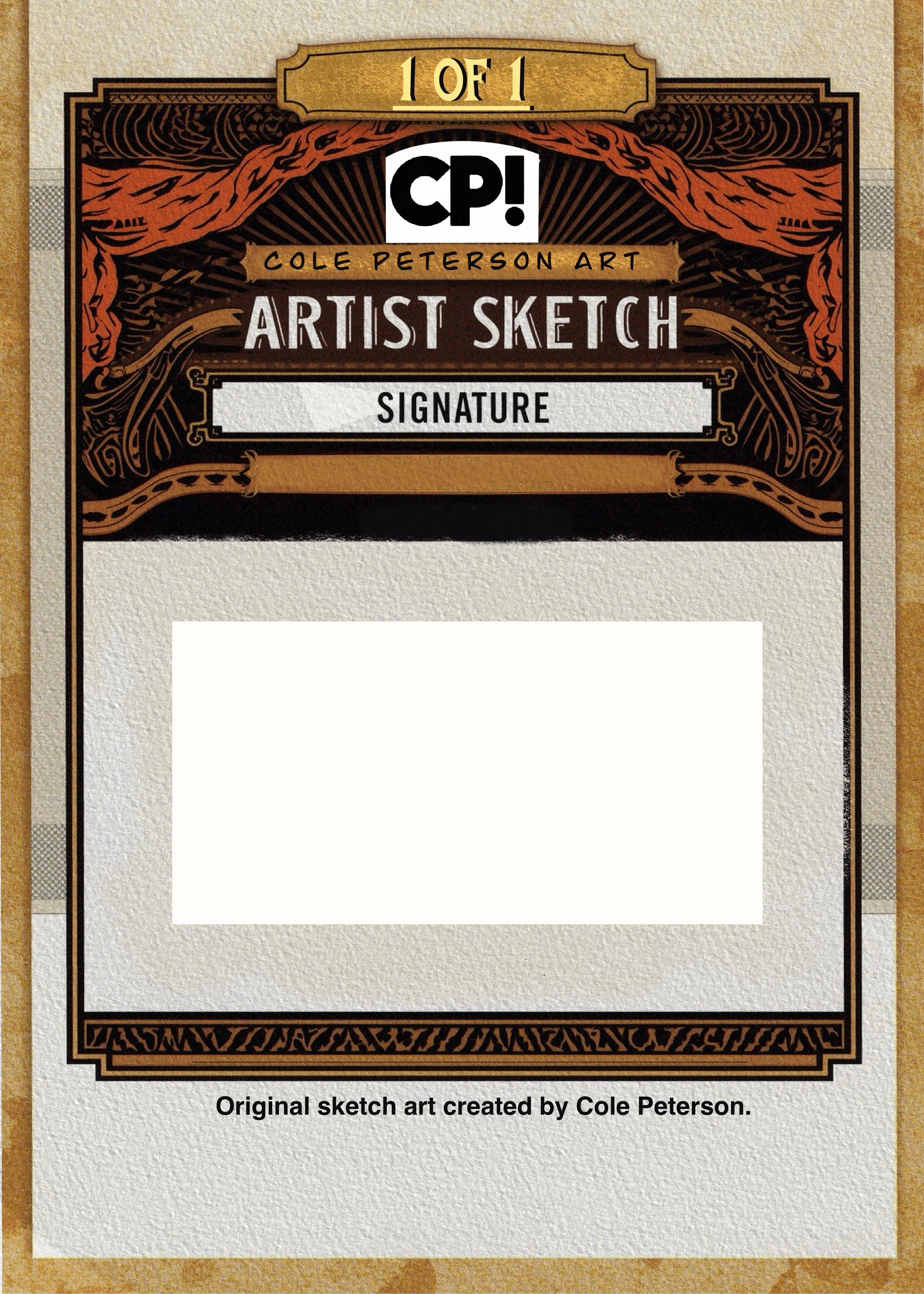
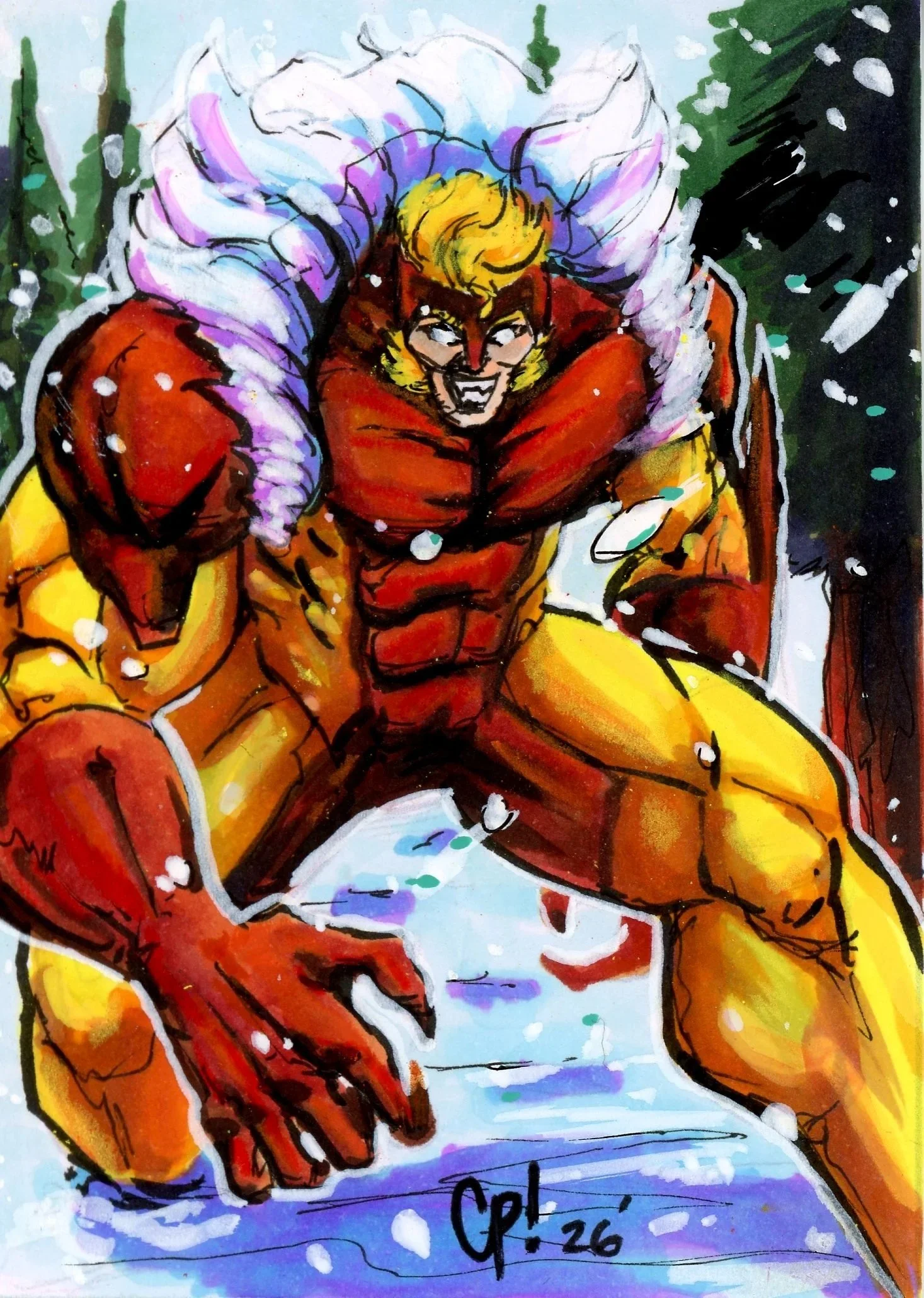
Biggest concerns:
Spoke to a few Sketch card artists. They said that with the amount of money and the fact that they are already time-intensive.
It may create friction on the supply side and or raise the costs to do sketches, which may not be worth the trade-off.
You’re asking artists to:
• Record
• Upload
• Tag per card
Also, with the amount of sketch cards that are in products, there would have to be a pretty sophisticated uploading system that would ensure the right video was attached to the right card.
So this would have to be something that would need to tie into a much larger authentication process, but in the long-term would eliminate fraud.
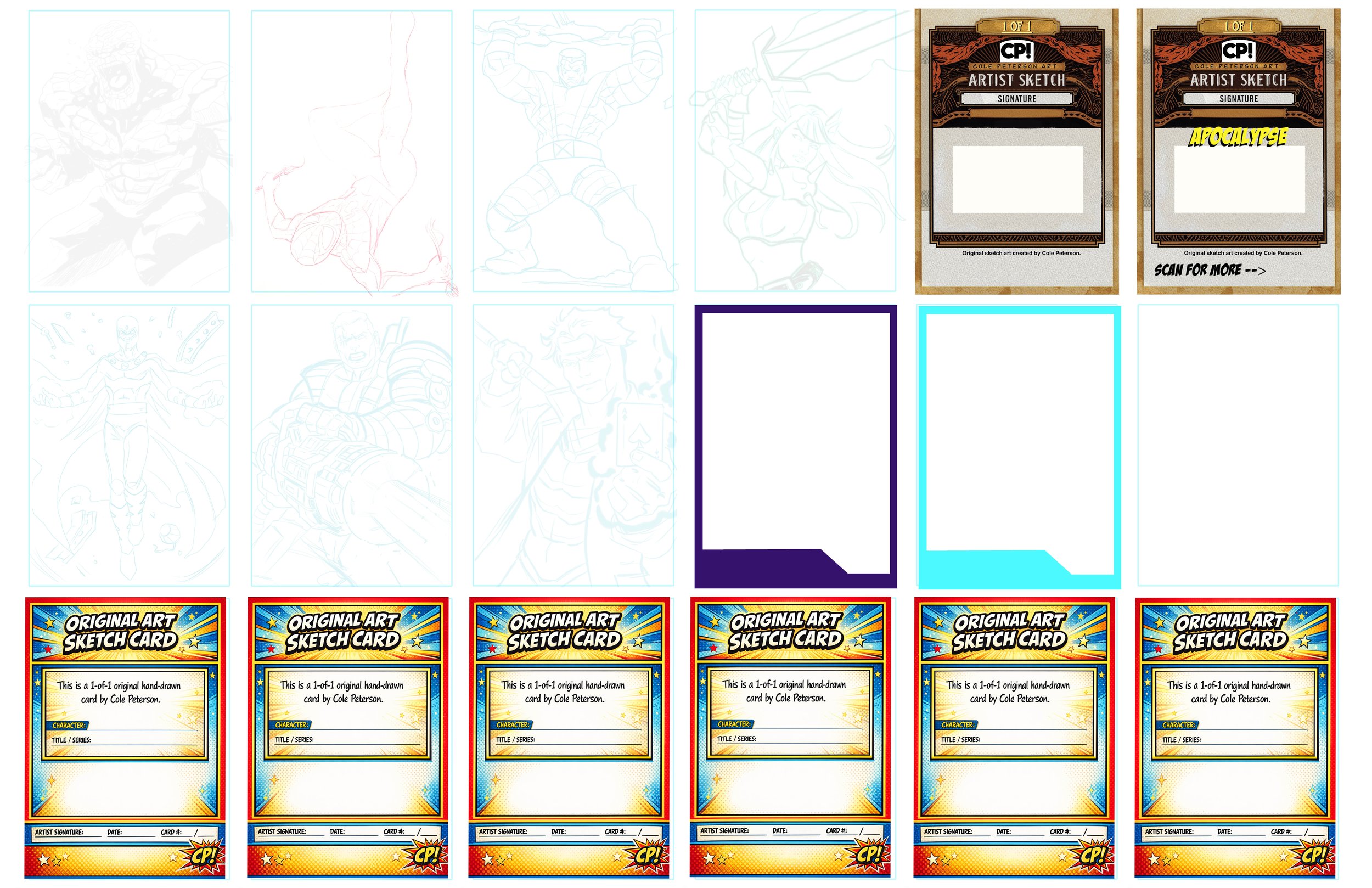
Foil Vinyl on Claws